
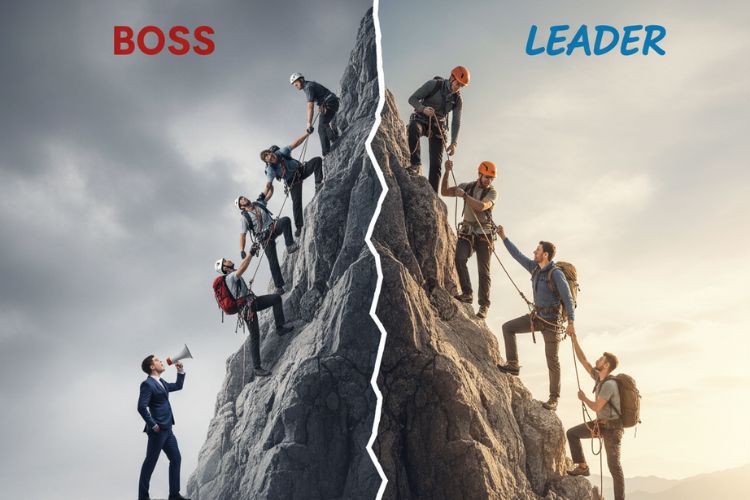
Bridging the Gap Between Being a Boss and Being a Leader
The efficacy of a senior leadership team is often dictated by the invisible dynamics between distinct management styles and the operational needs of the organization. While technical competency is a baseline requirement, the ability of an executive to recognize and adapt to different leadership archetypes—and teach their teams to do the same—is a critical driver of cultural health and retention. We have moved past the era of the "one-size-fits-all" manager; today’s high-velocity environments require a sophisticated understanding of how diverse temperaments influence decision-making and execution. When leadership styles are misaligned with team needs, the resulting friction creates a drag on productivity that no amount of strategic planning can fully overcome. For the executive suite, the mandate is to foster an environment where stylistic differences are viewed as strategic assets rather than interpersonal obstacles.
Achieving this alignment requires a move toward high-resolution leadership, where leaders are self-aware enough to acknowledge their own default tendencies and flexible enough to pivot when the situation demands it. Some leaders excel at shielding their teams from organizational chaos, providing a stable environment for deep work, while others thrive on the energy of direct, high-stakes confrontation to drive results. The challenge for the modern CEO is to ensure that these varied approaches do not devolve into silos or conflict, but instead form a complementary ecosystem. By standardizing the language around leadership styles, we empower every level of the organization to manage upward and laterally with greater precision. This shift transforms interpersonal dynamics from a source of frustration into a foundational component of organizational agility.
Identify and Balance Leadership Archetypes: Recognize the distinct value of leaders who prioritize psychological safety versus those who prioritize relentless intellectual rigor, and ensure both are present in the executive mix.
Rethink Performance Feedback Loops: Tailor the delivery of strategic critiques to align with the specific temperament of the recipient, ensuring the message is heard without triggering defensive silos.
Reinforce Adaptive Communication: Train the broader leadership pipeline to "flex" their communication styles, moving between supportive coaching and direct accountability as the project lifecycle dictates.
Change the Onboarding Framework: Explicitly discuss leadership styles and operational preferences during the executive onboarding process to reduce the "guessing game" period for new teams.
Audit Cultural Impact by Department: Periodically assess whether certain leadership styles are inadvertently creating bottlenecks or talent churn in specific areas of the business.
Incentivize Stylistic Versatility: Reward leaders who demonstrate the ability to lead diverse teams through varying degrees of market volatility using a range of management techniques.


